Leave Your Message

2025 Guide: How to Choose the Perfect Light Bar for Your Vehicle

When it comes to enhancing visibility and safety on the road, choosing the right light bar for your vehicle is crucial. With numerous options available, navigating through them can be overwhelming. This guide aims to simplify the decision-making process by providing you with essential factors to consider, ensuring that you find the perfect light bar to meet your specific needs. One popular option to explore is the Chase Light Bar, known for its effectiveness in providing visibility during emergencies and off-road adventures alike.

In this guide, we will discuss key features to look for when selecting a light bar, such as brightness, size, and mounting options. Additionally, we will delve into the various types of light bars available, including LED and halogen options, helping you understand which best fits your vehicle and intended use. By the end of this guide, you will be equipped with the knowledge needed to make an informed choice, ensuring that your vehicle is well-equipped for any journey ahead. Stay tuned as we illuminate the path to selecting the ideal light bar for your driving needs.
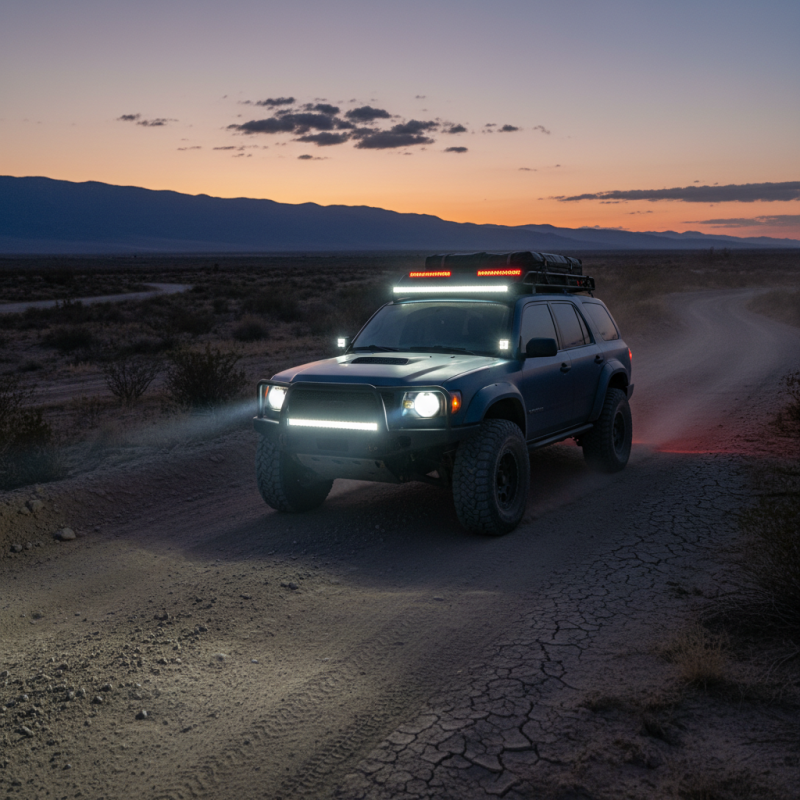
2025 Guide: How to Choose the Perfect Light Bar for Your Vehicle

Understanding the Different Types of Light Bars Available for Vehicles

When choosing the perfect light bar for your vehicle, it’s essential to understand the different types available, as each serves distinct purposes and environments. Primarily, light bars can be categorized into LED, HID, and halogen types. LED light bars are renowned for their energy efficiency and longevity, making them the most popular choice for off-road enthusiasts and everyday drivers alike. HID light bars, which produce a brighter, more focused beam, are excellent for those who require enhanced visibility over long distances. Halogen light bars, while less common nowadays, offer a warm light and are typically more affordable.

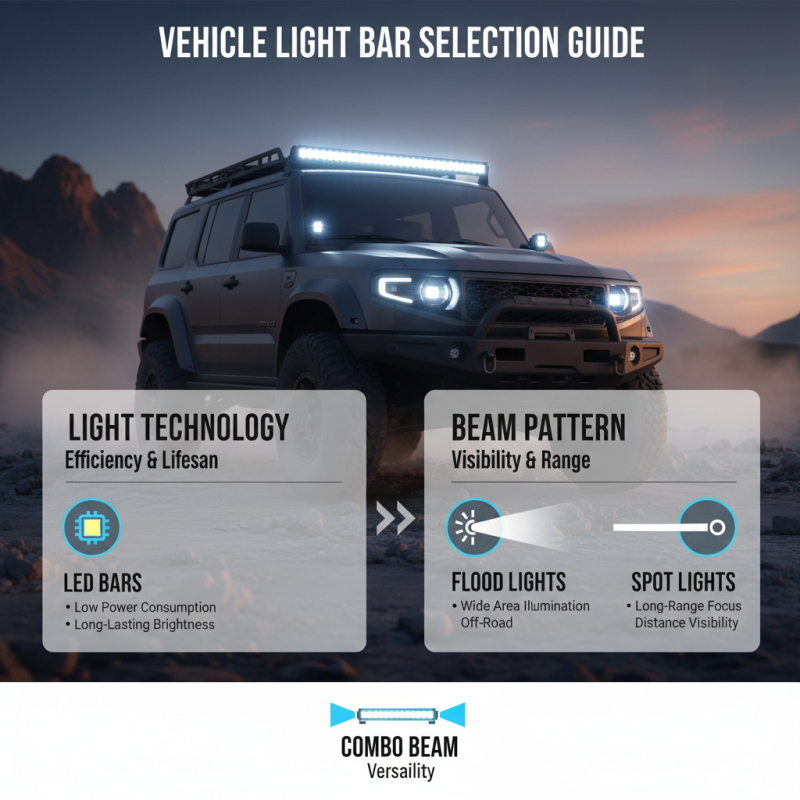
Tips: When selecting a light bar, consider the beam pattern you need—spot, flood, or a combination of both. Spot beams cast a narrow beam for long-distance illumination, while flood beams provide a wider coverage area for better visibility around the vehicle. Some models allow you to customize the beam pattern, providing versatility for various driving conditions.

Additionally, pay attention to the mounting options and the overall durability of the light bar. Ensure that your chosen bar can withstand the weather conditions and terrain you’ll encounter. Look for features like sealed housings, rugged construction, and waterproof ratings to guarantee performance and longevity.

Key Features to Consider When Selecting a Light Bar for Your Vehicle

2025 Guide: How to Choose the Perfect Light Bar for Your Vehicle

When selecting a light bar for your vehicle, several key features should be taken into consideration to ensure optimal performance and compatibility. First, evaluate the type of light technology used in the bar. LED light bars are popular due to their energy efficiency and longevity. They offer bright illumination while consuming less power, making them an excellent choice for extended use. Additionally, consider the beam pattern—flood, spot, or a combination. Flood lights provide a wider area of illumination, ideal for off-road adventures, while spotlights focus on a narrower distance, perfect for long-range visibility.

Another crucial aspect to examine is the light bar's durability. Look for models with a high IP (Ingress Protection) rating, as this indicates their resistance to dust and water. A light bar made from robust materials can withstand harsh environmental conditions, ensuring a longer lifespan. Furthermore, compatibility with your vehicle is essential; some light bars require specific mounting brackets or wiring harnesses, so check for any necessary accessories. Lastly, consider size and power; make sure the light bar can fit on your vehicle without obstructing view or airflow while providing adequate brightness to meet your driving needs.

Evaluating the Compatibility of Light Bars with Your Vehicle Model

When selecting the perfect light bar for your vehicle, evaluating compatibility with your specific model is crucial to ensure both performance and safety. Each vehicle has unique design specifications that affect how aftermarket accessories can be integrated. Factors such as mounting points, electrical systems, and overall dimensions of the vehicle will play a significant role in determining which light bars will fit appropriately. To begin, consult your vehicle’s owner manual or seek information on the standard mounting configurations. This knowledge lays the foundation for making an informed choice.

In addition to physical compatibility, it’s important to consider your vehicle’s electrical system. Light bars often require specific wiring setups or additional power sources. Carefully assessing your vehicle’s electrical capabilities helps prevent potential issues such as draining your battery or causing overloads. If your vehicle is equipped with advanced technology features, ensure that the light bar you choose will not interfere with these systems. Research compatibility not only with the vehicle model but also with your driving needs, ensuring that the chosen light bar enhances your experience while remaining securely connected.

2025 Guide: How to Choose the Perfect Light Bar for Your Vehicle

The chart above displays the brightness in lumens of different types of light bars available in 2025. When choosing a light bar for your vehicle, consider the lumens output to ensure optimal visibility for your driving needs.

Installation Tips for Your Chosen Light Bar to Ensure Optimal Performance

When it comes to installing your chosen light bar, achieving optimal performance hinges on proper installation. First and foremost, select the right mounting location to ensure even illumination while minimizing glare. Common options include the roof rack or front bumper area. Ensure the light bar is level and securely fastened to prevent vibrations that can loosen fixtures over time.

Before beginning the installation, gather all necessary tools and read through the product manual to familiarize yourself with the parts. Connecting the wiring correctly is crucial; make sure to use high-quality connectors and protect all exposed wires with heat shrink tubing. It’s advisable to run the wiring through the engine bay to keep it protected while ensuring a clean look. Additionally, utilizing a relay harness can greatly simplify the installation process, protecting your vehicle’s electrical system and ensuring reliable function.

Lastly, test the light bar before finalizing the installation. Check all connections and make adjustments as needed. Aim the light bar properly to avoid blinding oncoming drivers while maximizing visibility for your driving needs. Regular maintenance checks on the light bar, including cleaning debris and checking for loose cables, will help maintain its performance over time.

2025 Guide: How to Choose the Perfect Light Bar for Your Vehicle - Installation Tips for Your Chosen Light Bar to Ensure Optimal Performance

Light Bar Type Ideal Use Length (inches) Power (Watts) Installation Difficulty Price Range ($) Performance Rating
LED Light Bar Off-road, Truck 20-50 90-300 Moderate 100-300 4.8/5
Halogen Light Bar General Purpose 18-36 100-400 Easy 50-150 4.0/5
Xenon Light Bar Emergency, Rescue 24-48 150-600 Difficult 200-500 4.5/5
Multi-Function Light Bar Versatile, Utility 30-60 100-500 Moderate 150-400 4.7/5

Maintenance Practices to Extend the Lifespan of Your Vehicle's Light Bar

Maintaining your vehicle's light bar is crucial for ensuring not only optimal performance but also longevity. One of the most effective practices is to regularly inspect the light bar for any signs of wear, including cracks or fading lenses. Cleaning the surface with a soft cloth and appropriate cleaner can help remove dirt and grime that may obstruct the light. Additionally, checking the mounting hardware for corrosion or looseness ensures that the light bar remains securely attached, preventing unnecessary damage or loss.

Another important aspect of maintenance is monitoring the electrical connections. Over time, connections can become loose or corroded, leading to flickering lights or complete failure. Periodically tightening connectors and applying a dielectric grease can help protect against moisture and corrosion. Furthermore, if your light bar features replaceable bulbs, make it a habit to check and replace them as needed to keep optimal brightness and efficiency. By incorporating these simple maintenance practices into your routine, you can extend the lifespan of your vehicle's light bar significantly.