Why Choose LED Car Lights for Your Vehicle Benefits and Advantages Explained
In the evolving world of automotive technology, the shift towards enhanced lighting systems has become increasingly prominent. As vehicles become more advanced, the choice of LED lights car lights has emerged as a preferred option among both manufacturers and consumers. According to industry expert John Smith, a leading authority in automotive lighting, “The adoption of LED technology in car lights not only improves visibility but also significantly increases energy efficiency.” This statement underscores the transformative impact of LED lights on vehicle performance and safety.
The benefits of installing LED lights car lights in your vehicle are manifold. Beyond their superior brightness and clarity, LED lights offer a longer lifespan, reduced power consumption, and lower heat emission compared to traditional lighting options. As drivers seek safer and more sustainable choices, the implementation of LED technology in automotive lighting systems presents a clear path towards better visibility and lower environmental impact. Understanding these advantages can guide vehicle owners in making informed decisions about their lighting choices, ultimately leading to a safer driving experience.
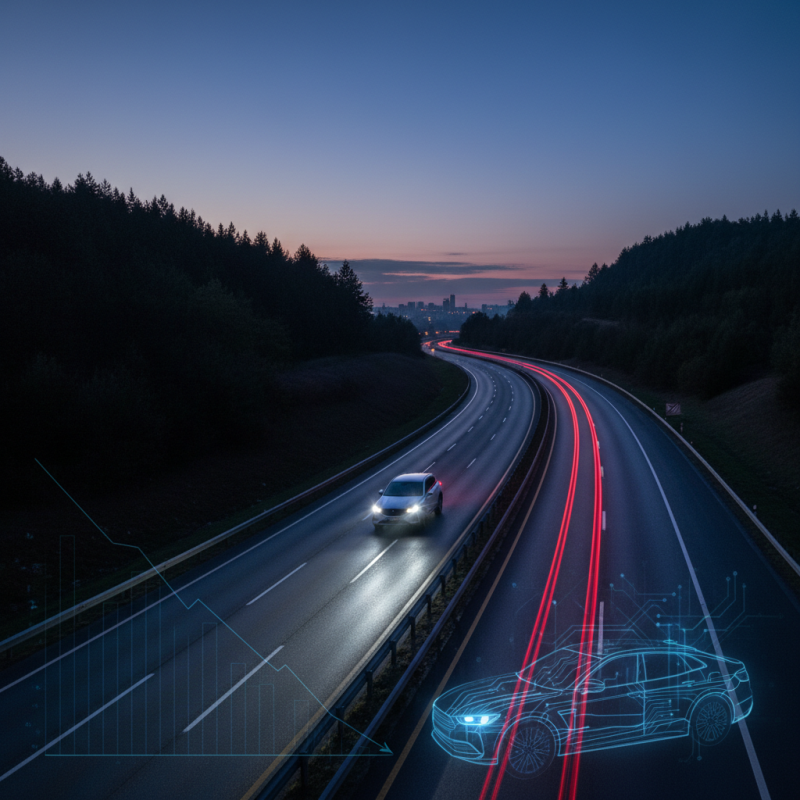
Benefits of LED Car Lights: A Comprehensive Overview
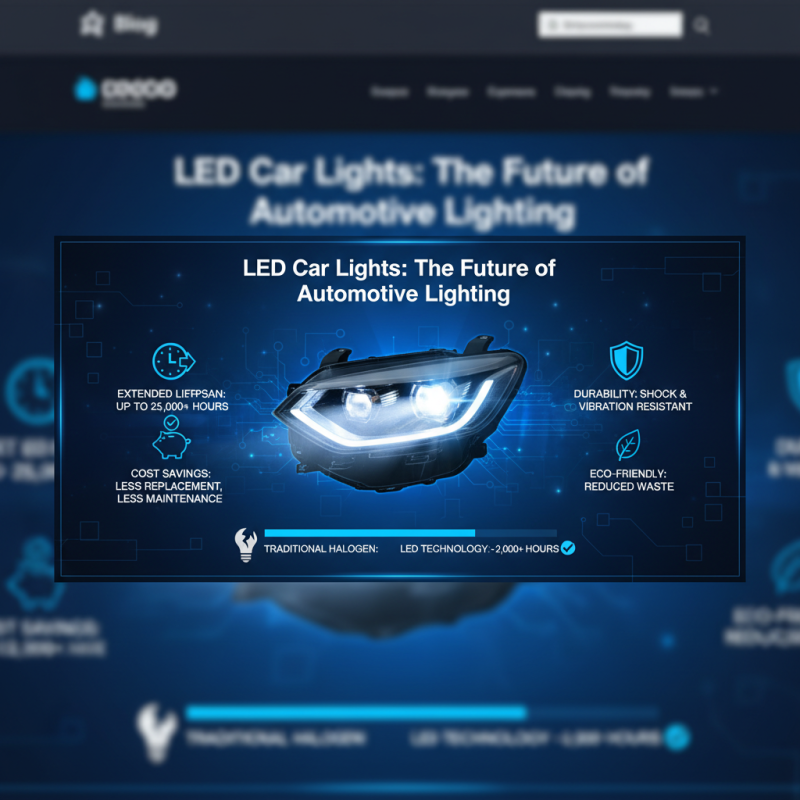
LED car lights have revolutionized vehicle lighting solutions, offering numerous benefits that enhance both safety and aesthetics. One of the primary advantages of LED lights is their energy efficiency. Unlike traditional halogen bulbs, LEDs consume significantly less power, which leads to reduced strain on the vehicle's electrical system and less fuel consumption. This energy efficiency not only contributes to savings on fuel costs but also results in a longer lifespan for the lights, with many LED options lasting up to 25,000 hours or more.
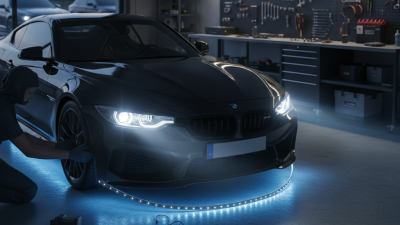
Another key benefit of LED car lights is their superior brightness and visibility. LEDs produce a bright, white light that closely resembles daylight, greatly improving visibility during nighttime driving or in adverse weather conditions. This increased brightness helps to illuminate the road and surrounding environment more effectively, enhancing overall safety for both drivers and pedestrians. Additionally, the design of LED lights allows for more versatile applications, such as customizable color options and various lighting patterns that can enhance a vehicle's style and make it stand out on the road.
Benefits of LED Car Lights: A Comprehensive Overview
Energy Efficiency of LED Lighting Compared to Traditional Options
When it comes to car lighting, energy efficiency is a critical consideration for vehicle owners. LED car lights stand out for their remarkable ability to consume significantly less energy compared to traditional incandescent or halogen bulbs. This is primarily due to their advanced technology, which allows them to convert a higher percentage of electrical energy into light rather than heat. As a result, LEDs require only a fraction of the power that older lighting technologies need, which not only conserves energy but also reduces the load on the vehicle’s electrical system.
Moreover, the energy efficiency of LED lighting contributes to cost savings over time. With lower energy consumption, drivers can expect to see a decrease in fuel costs, particularly in vehicles where lighting is a consistent power draw. Additionally, LEDs have a much longer lifespan, often lasting up to 25,000 hours or more, which means fewer replacements and lower maintenance costs. As such, opting for LED car lights not only benefits the environment by reducing overall energy usage but also offers financial advantages that can enhance a vehicle's overall performance and sustainability.
Longevity and Durability of LED Car Lights: Industry Standards Explained
LED car lights have become increasingly popular due to their impressive longevity and durability compared to traditional lighting options. These lights are designed to last significantly longer—often up to 25,000 hours or more—reducing the need for frequent replacements. This extended lifespan not only saves money on maintenance over time but also minimizes the environmental impact associated with disposing of used bulbs. The robust nature of LED technology makes these lights less susceptible to shocks and vibrations, ensuring their reliability even in the most demanding driving conditions.
In terms of industry standards, LED car lights generally meet stringent regulations for performance and safety. They are tested for durability to withstand extreme temperatures and moisture, which contributes to their overall resilience. The solid-state structure of LEDs means they do not have fragile filament components like traditional bulbs, enhancing their performance during rapid acceleration or braking. This durability is vital for enhancing visibility and ensuring that vehicles remain safe and compliant with road regulations. Investing in LED car lights effectively means opting for a reliable and sustainable lighting solution for your vehicle.
Enhanced Visibility and Safety Features of LED Car Headlights
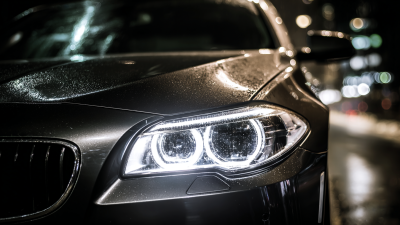
LED car headlights have revolutionized vehicle lighting by providing enhanced visibility and improved safety on the road. Unlike traditional halogen bulbs, LED lights emit a brighter and more focused beam of light, allowing drivers to see farther and more clearly in various conditions. This increased luminosity not only improves daytime visibility but also significantly enhances nighttime driving, reducing the likelihood of accidents caused by poor lighting. The precise beam pattern of LED headlights helps to illuminate the road without causing glare to oncoming traffic, further enhancing safety for all road users.
In addition to their superior brightness, LED headlights are built to last. They have a longer lifespan compared to incandescent bulbs, which means they require less frequent replacements. This longevity contributes to less waste and a reduction in maintenance costs over time. Furthermore, the energy efficiency of LED lights means they consume less power, allowing vehicles to run more efficiently while also being environmentally friendly. With their advanced safety features and long-term benefits, LED car headlights represent a smart investment for any vehicle owner looking to enhance their driving experience and safety on the road.
Cost Analysis: Long-Term Savings with LED Car Lighting Solutions
LED car lights have become increasingly popular among vehicle owners not only due to their environmental benefits but also because they can significantly cut long-term costs. One of the primary advantages of LED lighting is their energy efficiency. Compared to traditional halogen bulbs, LEDs consume significantly less power while providing the same, if not superior, brightness levels. This reduced energy consumption translates to less strain on the vehicle's electrical system, which can extend the life of the battery and overall vehicle performance.
In addition to energy savings, LED lights are known for their durability and longevity. While a standard halogen bulb may last around 1,000 hours, a quality LED can last anywhere from 15,000 to 50,000 hours or more. This means that once an LED is installed, the frequency and cost of replacements plummet. Over time, the savings from fewer replacements, combined with the reduced energy costs, can amount to a substantial financial benefit. Therefore, choosing LED car lights not only enhances visibility and safety on the road but also offers a compelling case for long-term financial savings.
Why Choose LED Car Lights for Your Vehicle: Benefits and Advantages Explained
| Feature |
LED Lights |
Traditional Incandescent Lights |
| Lifespan |
25,000 - 50,000 hours |
1,000 - 2,000 hours |
| Energy Efficiency |
Consumes up to 80% less energy |
Requires more energy to operate |
| Brightness |
Higher lumen output |
Lower lumen output |
| Color Options |
Wide range of colors |
Limited color options |
| Heat Generation |
Minimal heat output |
High heat output |
| Long-Term Savings |
Significant over time |
Low savings |