Leave Your Message

2025 How to Choose the Best LED Car Lights for Maximum Visibility and Safety

In the realm of automotive safety, the significance of choosing the right LED car lights cannot be overstated. As vehicles take to the roads at various times of the day and in diverse weather conditions, maximum visibility becomes paramount. "The right LED lights play a crucial role not only in illuminating the road ahead but also in ensuring that other drivers can see you clearly," says John Smith, a renowned expert in the LED car lights industry. With advancements in technology, today's LED lights offer more than just brightness; they provide a range of features designed to enhance safety on the road.

When considering LED lights for cars, it's essential to evaluate options based on brightness, color temperature, and beam pattern. The advancements in LED technology mean that these lights can be energy-efficient while still offering high performance, making them an ideal choice for both new and existing vehicles. By understanding the key factors that contribute to optimal visibility, drivers can make informed decisions that significantly reduce the risk of accidents and improve overall road safety.
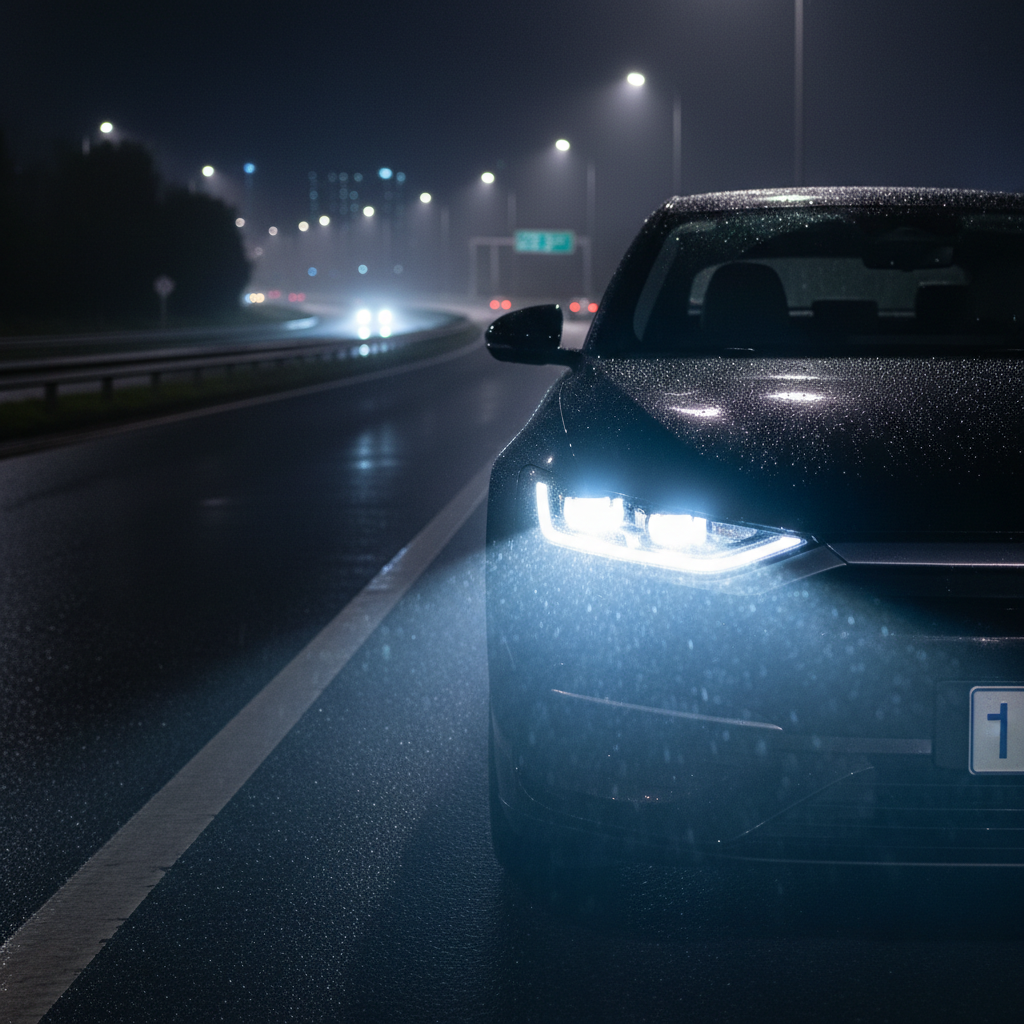
2025 How to Choose the Best LED Car Lights for Maximum Visibility and Safety

Understanding LED Car Lights: Types and Their Benefits

2025 How to Choose the Best LED Car Lights for Maximum Visibility and Safety

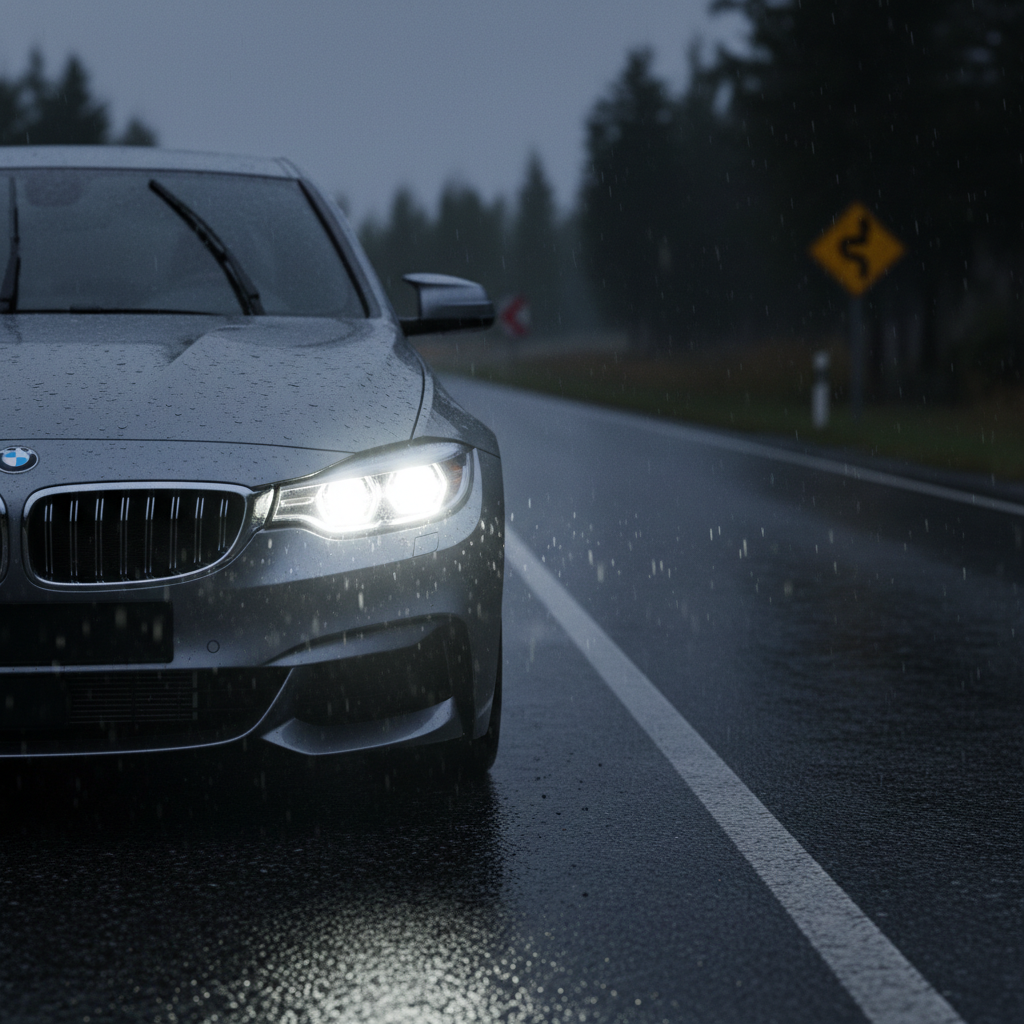
When considering the best LED car lights for maximum visibility and safety, it's essential to understand the different types available and their associated benefits. LED headlights have revolutionized automotive lighting, providing superior brightness, energy efficiency, and longevity compared to traditional halogen bulbs. Their quick response time enhances safety by improving visibility during night drives and adverse weather conditions. Furthermore, LED lights produce a whiter light that mimics daylight, allowing drivers to see more clearly and reducing eye strain.

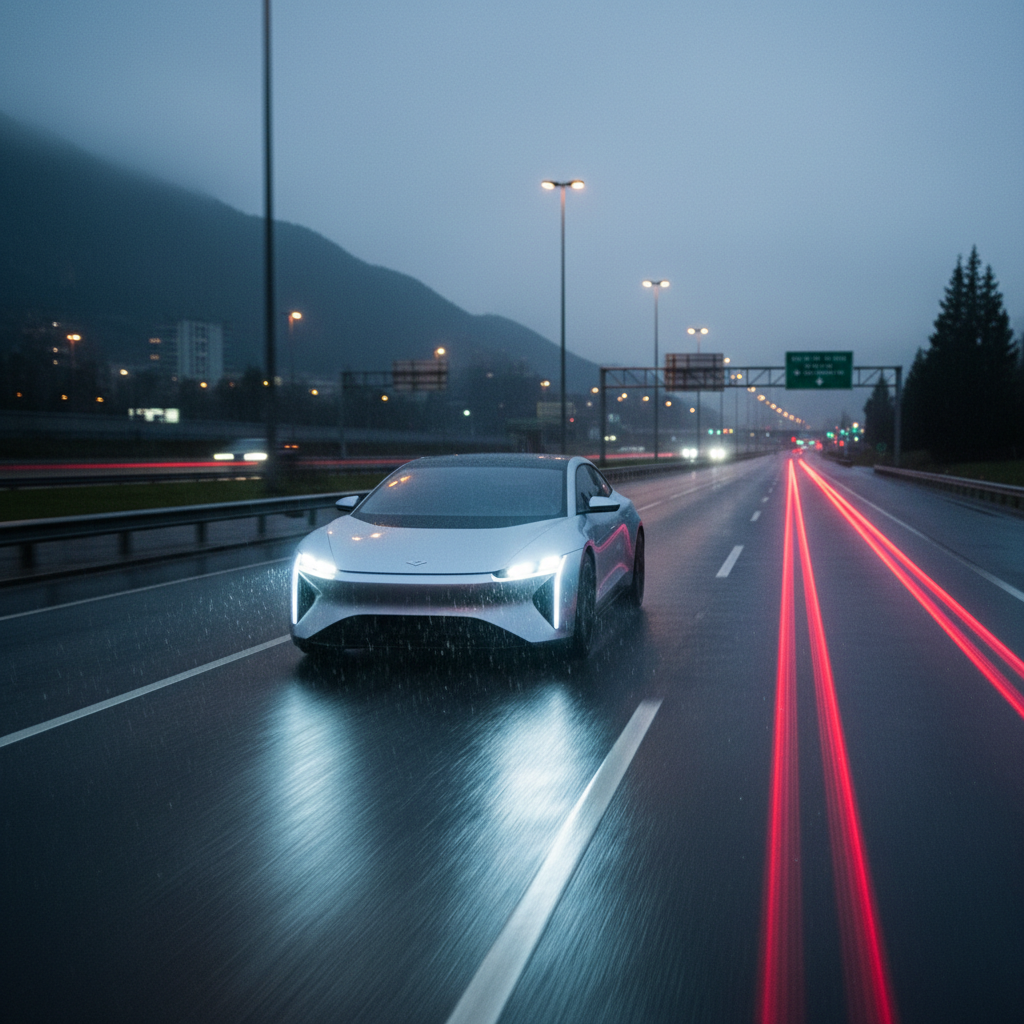
In today's market, LED headlights have become dominant, with a penetration rate exceeding 75% in new passenger vehicles. As advancements in technology continue, manufacturers are introducing innovative solutions, such as adaptive lighting systems that adjust based on road conditions. However, it's crucial to consider individual needs in terms of vehicle type, driving habits, and regional regulations when selecting LED lights. The right choice not only enhances aesthetics but also significantly improves driving safety and comfort on the road.
Key Factors to Consider for LED Car Light Selection

2025 How to Choose the Best LED Car Lights for Maximum Visibility and Safety

When selecting the best LED car lights, several key factors play a crucial role in ensuring maximum visibility and safety. First, consider the brightness level, usually measured in lumens, as this will directly impact how well you can see the road ahead, especially in low light conditions. A higher lumen count often translates to improved visibility, but it’s also essential to ensure that the lights are not blinding to other drivers.

Another essential factor is the color temperature of the LED lights, which affects how effectively they illuminate the road. Typically, a color temperature between 5000K to 6000K is considered ideal, as it provides a whiter light similar to natural daylight, enhancing visibility without causing eye strain.

Tips:
When selecting LED lights, check for features like heat dissipation technology. Reliable cooling measures are vital in preventing overheating and maintaining performance. Additionally, consider the type of beam pattern, whether it’s focused or dispersed — a well-defined beam can significantly improve your nighttime driving experience. Lastly, whether you choose OEM or aftermarket options can influence compatibility and installation ease, so make sure to do thorough research based on your vehicle type.

Industry Standards: Brightness and Lumen Output for Safety

When selecting LED car lights, understanding brightness and lumen output is essential for ensuring maximum visibility and safety on the road. The lumen rating indicates how much light the bulb emits, with higher values providing better illumination. For optimal performance, headlights should generally have a lumen output between 1,200 and 3,000 lumens, depending on the type of driving and ambient conditions. This guideline helps in choosing lights that significantly enhance visibility without contributing to glare for oncoming drivers.

Tips: When purchasing LED car lights, look for models that comply with industry standards and have been tested for safety. Reading reviews and specifications can help determine their reliability and effectiveness. Additionally, consider investing in features like adjustable brightness levels to maximize safety in varying driving conditions. Finally, ensure that the lights you choose are designed to minimize glare, making your vehicle safer both for you and for others on the road.

Installation and Compatibility: Ensuring Proper Fit for Optimal Performance

When choosing LED car lights, installation and compatibility are crucial factors that directly impact performance. It's essential to ensure that your selected lights fit seamlessly within your vehicle's existing systems. Check the specifications of both your car and the LED lights to confirm compatibility, as some models may require specific adapters or alterations to the housing.

Tips: Always consult your vehicle's manual for guidance on the type of LED lights that match the specifications. Additionally, look for brands that offer a compatibility chart to help you identify suitable options for your make and model. This will prevent mismatches that can lead to future hassle or safety issues.

Proper installation is key to achieving optimal visibility and safety. If you're not comfortable with DIY installation, consider seeking professional assistance. An expert can ensure that the lights are correctly positioned, maximizing their effectiveness while avoiding glare for other drivers.

Tips: Before installation, conduct thorough research on wiring harnesses and connectors specific to your car. Utilizing high-quality connectors can enhance durability and performance, providing long-lasting results and safety while driving at night.

LED Car Lights Brightness Comparison for Maximum Visibility and Safety

Maintenance Tips for Longevity and Maximum Visibility of LED Lights

When choosing LED car lights, one crucial aspect that often gets overlooked is maintenance for longevity and visibility. Regular cleaning is vital; dust and dirt buildup can dramatically reduce the effectiveness of LED lights, decreasing visibility by up to 30%. Furthermore, it’s essential to check the light alignment periodically. Misaligned headlights can blind oncoming drivers and reduce your own visibility at night. According to industry reports, properly maintained LED headlights can last up to 25,000 hours, compared to halogen counterparts that typically last only about 1,000 hours.

Additionally, using multi-function LED headlights can enhance safety significantly. These advanced lighting systems offer various settings that adapt to different driving conditions, providing maximum brightness where it is needed most. Studies have shown that brighter and well-aimed lighting can increase a driver’s reaction time in low-light conditions by nearly 20%. Investing time in maintenance and choosing the right type of LED lights not only enhances longevity but also ensures maximum visibility for improved road safety.

2025 How to Choose the Best LED Car Lights for Maximum Visibility and Safety

Feature Description Importance Tip for Longevity
Brightness (Lumens) Measuring the light output to ensure maximum visibility. High Choose lights with at least 3000 lumens for best performance.
Color Temperature (Kelvin) The hue of light; 5000K-6000K is ideal for clarity. Medium Regularly check and replace when color appears less vibrant.
Beam Pattern How the light is distributed on the road. High Ensure correct alignment of lights for optimal beam pattern.
Durability Resistance to shock and weather conditions. High Use covers and protectors in extreme conditions.
Energy Efficiency Low power consumption compared to halogen lights. Medium Monitor vehicle’s overall energy usage.