How to Choose the Best Off Road Lights for Your Vehicle?
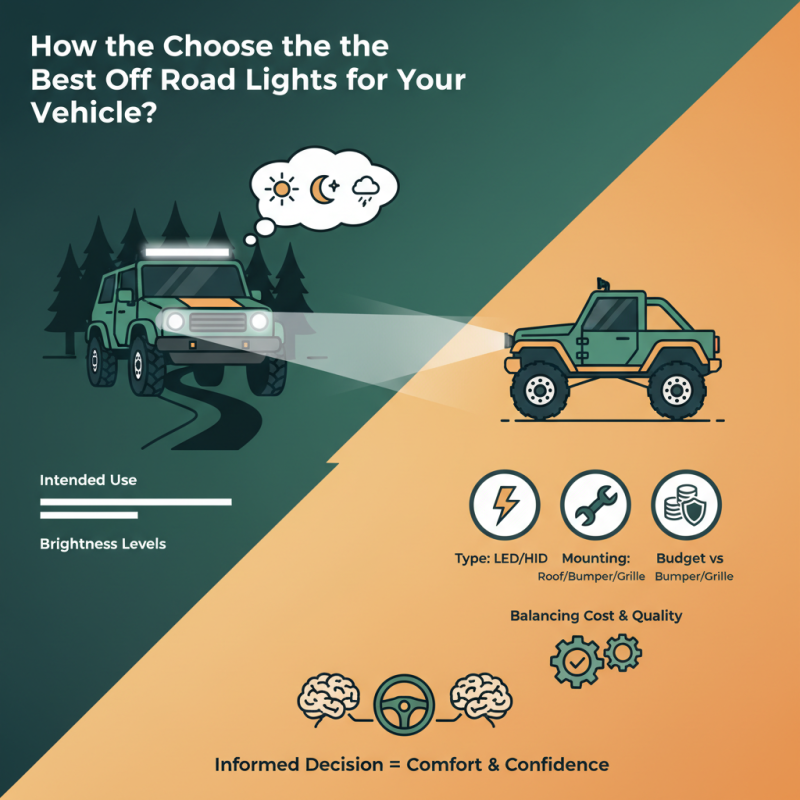
Choosing the right off road lights can transform your outdoor adventures. These lights illuminate your path and enhance safety. Selecting the best off road lights involves understanding your vehicle and intended use.
Consider the brightness, type, and mounting options. High-intensity LED lights offer excellent illumination. However, keep in mind potential glare for oncoming traffic. Each off road situation is unique, and your choice should reflect that.
Reflect on your budget, too. Some lights are expensive but more durable. Others are affordable but may not last. Balancing cost and quality is essential. Choosing off road lights is about comfort and confidence. Ensure you make an informed decision.
Types of Off-Road Lights: Understanding Your Options
When choosing off-road lights, understanding your options is crucial. There are various types available, such as LED, HID, and halogen lights. LED lights are known for their energy efficiency and long lifespan, often lasting up to 50,000 hours. HID lights produce a bright, white light but can take time to warm up. In contrast, halogen lights are more affordable, but they have a shorter lifespan and consume more power.
Brightness is measured in lumens, a key factor in your decision. According to industry reports, off-road lights can range from 1,000 to 20,000 lumens. Higher lumens offer improved visibility in darkness. However, too much brightness can cause glare and be counterproductive. Consider your specific driving conditions and adjust your choice accordingly.
**Tip:** Evaluate your vehicle's power capacity. Too many lights can drain your battery quickly.
Different light patterns are also essential. Flood lights cast a wide beam, ideal for close-up visibility. Spotlights focus light for distance; they are perfect for identifying obstacles far ahead. Some models combine both patterns for versatility.
**Tip:** Test your lights in various terrains to ensure optimal performance. It's often easy to overlook the need for adjustment.
Off-Road Lights Comparison Chart
Factors to Consider When Choosing Off-Road Lights for Your Vehicle
When choosing off-road lights, several key factors matter. Brightness is crucial, and it’s typically measured in lumens. According to recent industry data, the most effective off-road lights range from 1,500 to 6,000 lumens. This variation impacts visibility in dark terrains. High lumens mean better visibility, but consider the trade-off. Exceeding 5,000 lumens can create glare for others.
Beam pattern is another important consideration. Wide beams provide better peripheral vision, while focused beams enhance long-distance visibility. A study highlighted that drivers prefer a balanced mix of both. Many off-road lights come with adjustable beam patterns. This feature allows users to tailor light output according to the environment.
Installation complexity is often overlooked. Some lights require advanced wiring skills; others are simple plug-and-play. If you're not handy, professional installation might be necessary. However, that can add to the overall expense. Finally, think about durability. Off-road lights should withstand rough conditions. Look for lights with waterproof ratings, like IP67 or higher. Remember, brighter isn’t always better. Focus on your specific off-road needs.
How to Determine the Right Brightness and Beam Pattern
When choosing off-road lights, brightness is essential. Brightness is measured in lumens. More lumens mean brighter lights. For off-roading, consider lights with at least 2,000 lumens. This can help you see obstacles clearly.
The beam pattern also matters. A wide beam covers a larger area but may sacrifice distance. A focused beam goes far but may miss nearby hazards. Finding the right mix is crucial. Consider where you'll be driving. A rugged trail requires different lighting than an open desert.
**Tips:** Think about your driving habits. Do you prefer speed or exploring? It might be hard at first to balance brightness and pattern. Review how others use their lights in similar conditions. Learning from their experiences helps. Remember, the perfect light does not exist. Adjust your choices as you gain more experience on the trails.
Mounting Options: Placement and Installation Tips for Off-Road Lights
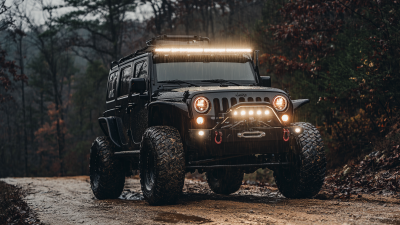
When choosing mounting options for off-road lights, consider the placement carefully. The position of the lights can dramatically affect your visibility. Common placements include the front bumper or roof rack. However, each location has its pros and cons. Lights mounted on the roof offer a broader range. Yet, they can create wind resistance. This might affect your vehicle's fuel efficiency.
Installation can be tricky. Ensure you have the right tools before starting. Drilling may be required for some mounts. Take your time to measure twice. Mistakes can lead to unevenly mounted lights or unwanted damage.
It’s crucial to think about wiring as well. Hiding the wiring may give a cleaner look. But, accessible wiring makes future adjustments easier. Keep the lights aligned for optimal performance. Misalignment can lead to blind spots or glare. Regularly check the mounts to ensure stability, especially after rough off-road trips.
How to Choose the Best Off Road Lights for Your Vehicle? - Mounting Options: Placement and Installation Tips for Off-Road Lights
| Light Type |
Lumen Output |
Mounting Position |
Installation Difficulty |
Typical Use |
| LED Light Bar |
6000-12000 lumens |
Roof, Bumper |
Medium |
General Off-Roading |
| Halogen Fog Lights |
1000-3000 lumens |
Front Bumper |
Easy |
Fog, Rain |
| Off-Road Spot Lights |
2000-5000 lumens |
A-Pillar |
Medium |
Spot Lighting |
| Work Lights |
1000-8000 lumens |
Bed, Cargo Area |
Easy |
Work Areas |
| LED Cube Lights |
2000-4000 lumens |
Front, Rear |
Easy |
General Off-Roading |