Leave Your Message

10 Essential Tips for Choosing the Best LED Lights for Your Vehicle

When it comes to enhancing visibility and aesthetics, LED lights for a vehicle have gained significant popularity among car enthusiasts and everyday drivers alike. According to a report by the Institute of Electrical and Electronics Engineers (IEEE), the automotive LED market is expected to reach $26 billion by 2025, attributing this growth to the combination of superior efficiency, longevity, and versatility of LED technology. With numerous options available, selecting the right LED lights can be a daunting task, particularly as different models offer varying levels of brightness, color temperature, and installation complexity.

Moreover, a study conducted by the National Highway Traffic Safety Administration (NHTSA) indicates that proper lighting can reduce nighttime crashes by up to 50%. This statistic underscores the importance of choosing the best LED lights for your vehicle, as optimal lighting not only enhances safety but also improves the overall driving experience. In the following guide, we will explore ten essential tips that will help you navigate the myriad of choices in the LED lighting market and ensure you make an informed decision tailored to your vehicle’s needs.
10 Essential Tips for Choosing the Best LED Lights for Your Vehicle

Key Factors to Consider When Selecting LED Lights for Your Vehicle

10 Essential Tips for Choosing the Best LED Lights for Your Vehicle

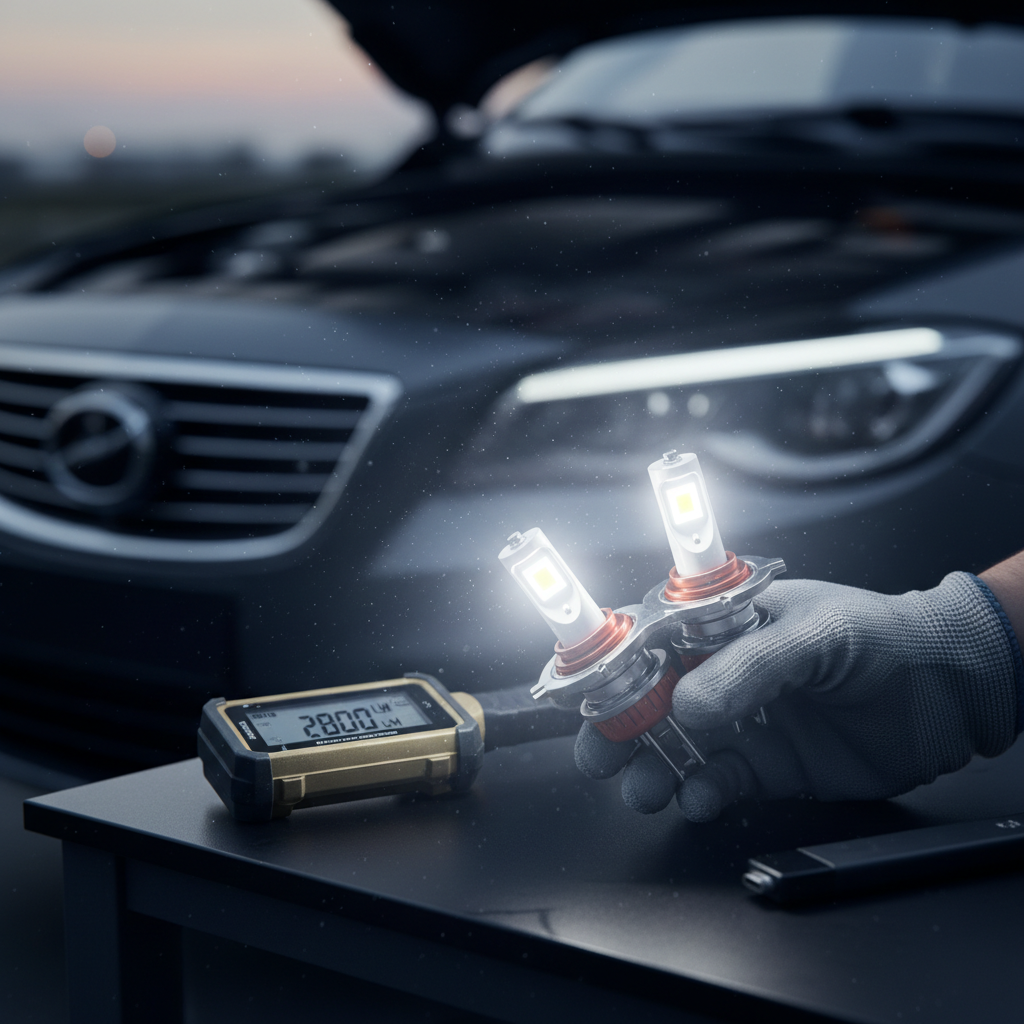
When selecting LED lights for your vehicle, several key factors should be taken into consideration to ensure optimal performance and longevity. First, consider the brightness level measured in lumens. According to a recent industry report, high-quality automotive LED lights typically range from 800 to 3,000 lumens, providing excellent visibility without blinding other drivers. This is crucial for enhancing safety during night drives or adverse weather conditions.

Another significant factor is the color temperature, measured in Kelvin (K). Most vehicle LED lights fall within the 3000K to 6000K range, with a warmer 3000K light providing a more yellow hue, ideal for foggy conditions, while the cooler 6000K light mimics daylight, enhancing road visibility. It's essential to choose a color temperature that aligns with your driving needs.

Additionally, look for LED lights with a d durable design, such as those with an IP67 rating, which signifies water and dust resistance. This ensures the lights withstand harsh weather, extending their lifespan. Lastly, always consider the compatibility of the LED lights with your vehicle’s electrical system to avoid potential issues. Make informed choices by prioritizing these key factors to maximize the benefits of LED lighting in your vehicle.
Comparing Different Types of LED Lights: Brightness, Color, and Efficiency

10 Essential Tips for Choosing the Best LED Lights for Your Vehicle

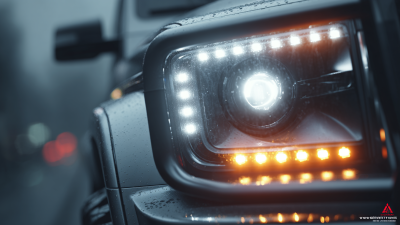
When choosing LED lights for your vehicle, understanding the differences in brightness, color, and efficiency is crucial. Brightness is typically measured in lumens, and according to the U.S. Department of Energy, high-quality LED headlights can produce between 2,000 to 3,000 lumens, significantly outperforming traditional halogen bulbs. This enhanced brightness not only improves visibility during nighttime driving but also increases safety by allowing other drivers to see your vehicle more clearly.

Color temperature is another essential factor. Measured in kelvins (K), color temperatures for automotive LEDs can range from a warm 3000K to a cool 6000K. A report by the Automotive Lighting Association suggests that a color temperature around 5000K closely resembles natural daylight, improving visibility and reducing eye strain for drivers. It's important to consider personal preference and local regulations here, as some jurisdictions have specific limits on the color of lights that can be installed on vehicles.

Efficiency is equally important when selecting LED lights. Many LED fixtures provide superior energy efficiency, using up to 85% less energy than traditional incandescent bulbs. This efficiency not only extends the longevity of the lights—often lasting up to 25,000 hours—but also contributes to reduced strain on the vehicle’s electrical system, thus enhancing overall performance. As vehicles increasingly shift toward more sustainable technologies, opting for efficient LED lighting becomes a smart choice for both the environment and your wallet.

How to Assess the Compatibility of LED Lights with Your Vehicle Model

When selecting LED lights for your vehicle, understanding compatibility with your specific model is crucial for optimal performance. According to a report by the Automotive Lighting Market Research Group, roughly 60% of lighting issues stem from installation mismatches or incorrect component choices. Each vehicle model may require specific bulb types and sizes, categorized under the ANSI (American National Standards Institute) nomenclature. Therefore, it's essential to consult your vehicle's owner manual or an online database to determine the exact specifications needed.

In addition to bulb size, the voltage and wattage ratings also play a significant role in assessing compatibility. A study by the Society of Automotive Engineers (SAE) indicates that mismatched wattage can lead to overheating, decreased bulb lifespan, and potential electrical issues. Furthermore, ensure that the LED lights you choose are compliant with local regulations regarding brightness levels and color temperature, as these vary between jurisdictions. By meticulously checking these compatibility factors, you can enhance both safety and functionality while upgrading your vehicle's lighting system.

Comparison of LED Light Brightness and Power Consumption

Top Brands and Products to Consider for Reliable LED Lighting Solutions

When it comes to upgrading your vehicle’s lighting, selecting the right LED lights can significantly enhance both safety and aesthetic appeal. Leading experts suggest focusing on top brands as they offer reliability and performance backed by extensive research. Brands such as Philips and Osram dominate the market, known for their longevity and brightness. In fact, according to a 2022 report from the Automotive Lighting Research Group, advanced LED systems can last up to 25,000 hours compared to traditional halogen lights that average just 1,000 hours. This makes the initial investment in quality LEDs well worth it in the long run.

In addition to Philips and Osram, other reputable brands like Hella and PIAA provide exceptional options tailored to various driving conditions. It's critical to consider lumens and color temperature when choosing your LED lights; a survey by the International Light Association indicated that a color temperature of around 6000K produces the best visibility without causing glare for oncoming drivers. Furthermore, evaluating customer reviews on platforms like Amazon can offer insights into real-world performance, ensuring your chosen lighting solution meets your specific needs and preferences for reliable illumination on the road.

Understanding Installation Process: DIY vs Professional Help for LED Lights

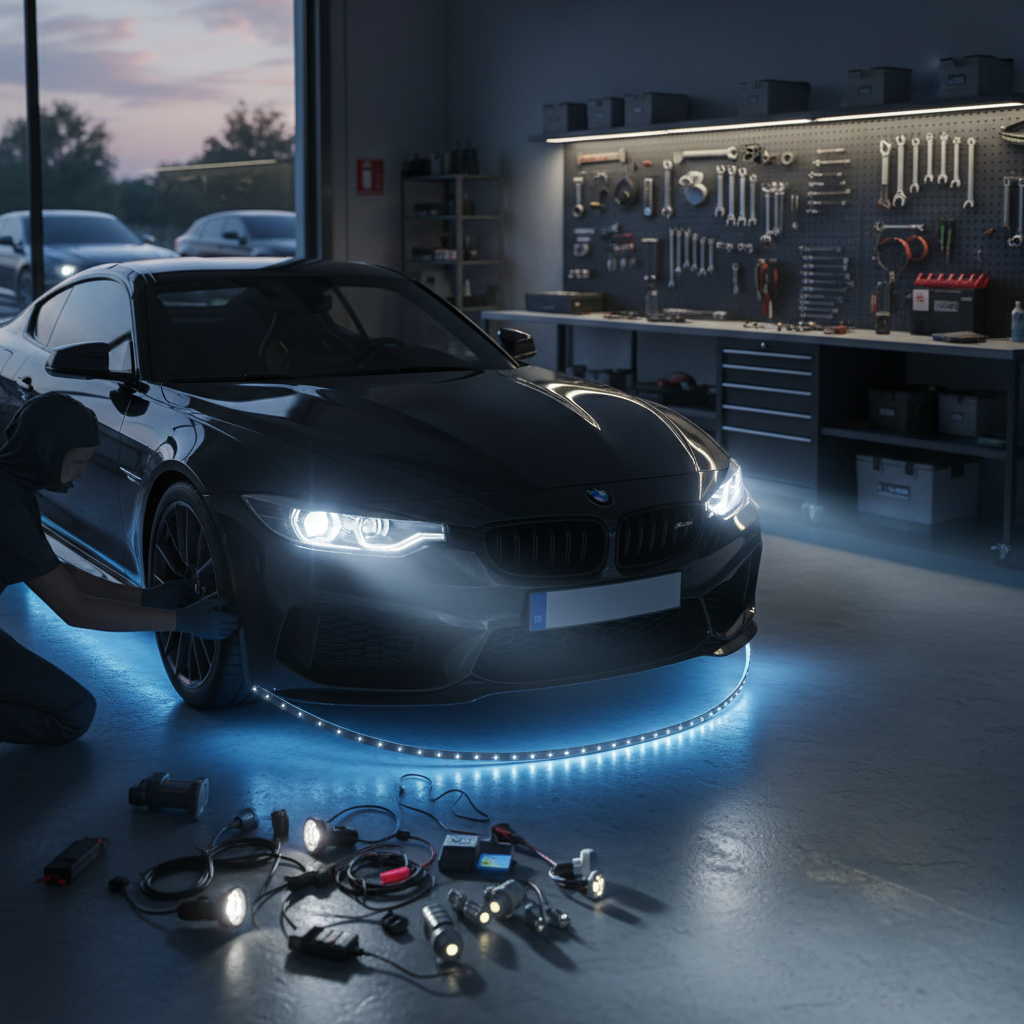
When considering the installation of LED lights for your vehicle, understanding whether to take on the project yourself or seek professional help is crucial. DIY installation can be a rewarding experience, allowing for personalization and cost savings. Many LED kits come with detailed instructions, making it accessible for those with basic mechanical skills. However, it's important to assess your comfort level with tools and electrical systems. Missteps in installation could lead to malfunctions or safety hazards, so be sure you have the necessary knowledge and resources before starting.

LED Installation On the other hand, enlisting professional assistance can provide peace of mind, especially for more complex LED setups. Professionals bring expertise and experience, ensuring that your lights are installed correctly and efficiently. They can also offer guidance on the best products for your specific vehicle and help troubleshoot any potential issues. While the cost may be higher than DIY methods, the assurance of a job well done can ultimately save you time and hassle in the long run. Weighing the pros and cons of both options will help you make the best decision for your LED light installation.