Ultimate Tips for Choosing the Right Chase Light Bar?
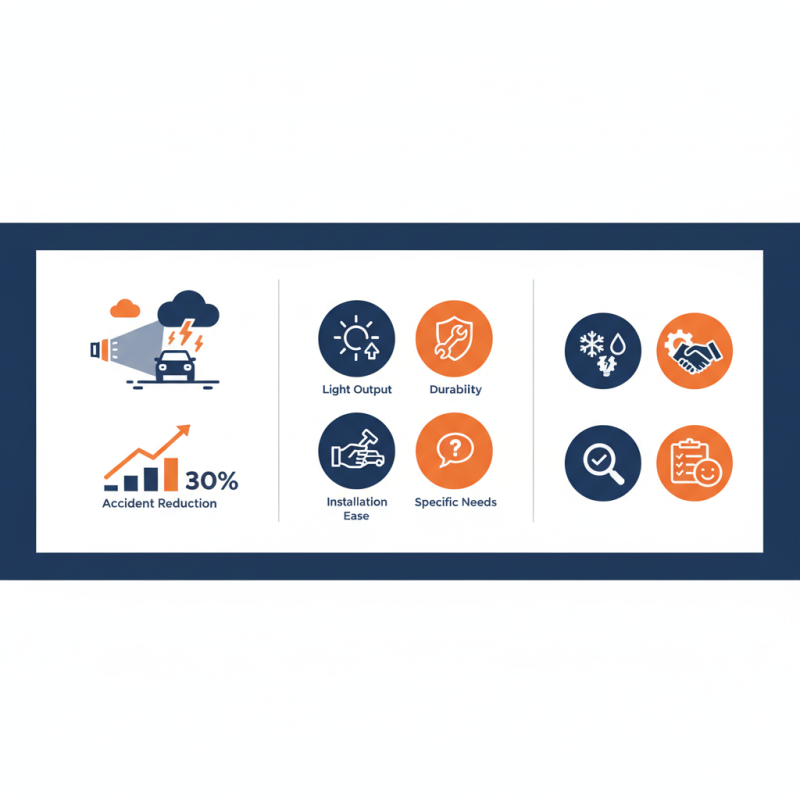
When selecting a Chase Light Bar, making an informed choice is crucial. A Chase Light Bar is not just an accessory; it enhances visibility and safety during nighttime or adverse weather conditions. According to a 2022 industry report, effective lighting can reduce nighttime accidents by up to 30%. This makes choosing the right bar essential for outdoor enthusiasts, emergency responders, and off-road drivers alike.
The market is flooded with various models, each boasting unique features. Users often find it challenging to differentiate between quality products and those that fall short. A study published by the American Safety Council highlights that poorly designed lighting systems can diminish visibility, ultimately compromising safety. It's vital to pay attention to light output, durability, and installation ease when evaluating options. Reflecting on your specific needs can help streamline the decision-making process.
Understanding the technical specifications is equally important. Not all Chase Light Bars are created equal. Some may offer bright illumination but lack weather resistance, while others excel in durability yet fall short in performance. Researching reputable brands and reading user reviews can offer insights into potential pitfalls. Each choice carries weight; hence, being well-informed leads to a reliable purchase that truly meets your needs.
Importance of Light Output in Choosing a Chase Light Bar
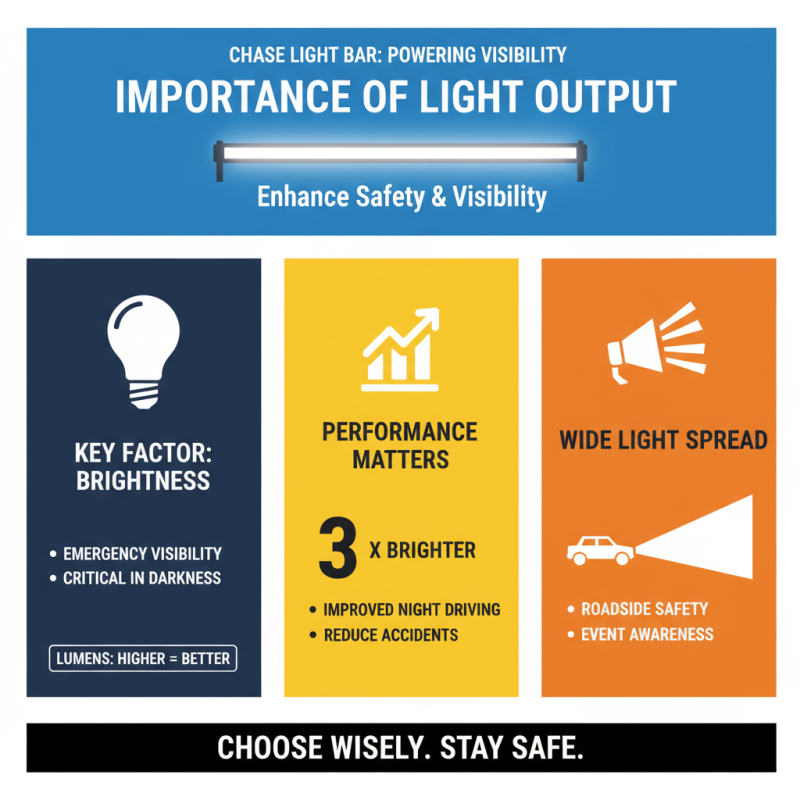
When selecting a chase light bar, light output is a key factor. A powerful output ensures visibility, especially during emergencies. Brightness in lumens matters. Higher lumens mean better performance in dark conditions. Look for models that provide a spread of light across a wide area. This will enhance safety during roadside stops or events.
Tips to consider: Check the color temperature. A cooler light often appears brighter and clearer. Aim for light bars between 5000K and 6500K for the best results. Consider the beam patterns. Flood beams offer broad coverage. Spot beams focus light further down the road. A combination is often ideal.
Don’t overlook mounting options. Ensure compatibility with your vehicle. A mismatched setup can undermine effectiveness, and simplicity in installation is crucial. Always evaluate the ease of wiring as well. Simple wiring reduces the chance of mistakes. Test the output in real conditions to ensure it meets your expectations. Remember, practicality often beats flashy features.
Understanding Different Beam Patterns for Optimal Visibility
When selecting a chase light bar, understanding beam patterns is essential for optimal visibility. Different beam patterns impact how far and wide the light spreads.
Spot beams focus on distance, providing a narrow but intense light. This is ideal for off-road driving or long-distance visibility.
On the other hand, flood beams illuminate a broader area, enhancing peripheral vision. They are useful in low-speed situations or when navigating tight spaces.
Consider hybrid beam patterns that combine both spot and flood elements. These versatile options offer flexibility for various driving conditions. However, users may find themselves overwhelmed by choices. It's crucial to assess your needs realistically.
Test the light bar in different settings to gauge its effectiveness. Sometimes, what seems perfect on paper might not suit your specific situation. A little trial and error can lead to the best choice for your needs.
Key Features to Consider: Durability and Weather Resistance
When choosing a chase light bar, durability is crucial. Light bars often face harsh conditions. They must withstand impacts, vibrations, and rough terrain. Seek models made from robust materials. Aluminum and polycarbonate are good choices. These materials resist corrosion and damage.
Weather resistance is equally important. Light bars encounter rain, snow, and extreme temperatures. A reliable light bar should have an IP rating that indicates its ability to resist water and dust. An IP67 rating is typically desirable. This means the light bar can withstand immersion in water for a limited time. Also, consider the coatings. Some light bars have additional protective coatings to enhance longevity.
Not all features guarantee performance. It's essential to reflect on user reviews. Often, users share experiences that reveal strengths and weaknesses. Some light bars may fail in heavy rain or show signs of fading in sunlight. Investigating these details can be revealing. Aim for a balance of durability and weather resistance for your ideal choice.
Evaluating Power Consumption and Efficiency Ratings of Light Bars
When selecting a chase light bar, assessing power consumption and efficiency ratings is crucial. Efficient light bars use less power while providing maximum luminosity. According to the latest industry reports, LEDs consume up to 80% less energy than traditional halogen lights. This significant reduction can save users money over time and reduce environmental impact.
Consider the lumen-per-watt ratio to evaluate efficiency. A good ratio indicates that a light bar produces more light for less energy. Aim for a minimum of 100 lumens per watt to ensure a balance between brightness and efficiency. However, some products claim high efficiency but underperform in real-world conditions. Always look for third-party tests to verify claims.
Tip: Read customer reviews focusing on energy consumption experiences. Users often provide insights on how a light bar performs during prolonged use. Another tip: Choose light bars with adjustable brightness settings. This feature allows you to conserve energy when full brightness isn't necessary. Even minor adjustments can lead to significant energy savings over time.
Comparing Pricing Strategies Across Various Chase Light Bar Brands
When selecting a chase light bar, pricing strategies vary significantly among brands. Research indicates that budget-friendly options may compromise quality. A study by the Lighting Industry Association reveals that approximately 45% of consumers prioritize affordability. However, this can lead to diminished performance. Investing in a reputable light bar often results in better longevity and efficiency.
Many manufacturers offer a tiered pricing model. Entry-level products might range from $100 to $300, while premium options can exceed $500. Reports show that customers often overlook the long-term value of higher-priced models. Inconsistent variables such as brightness levels and warranty coverage can affect overall satisfaction. It's crucial to compare specifications alongside the price.
Consideration of customer reviews is key. A survey by Consumer Reports found that 65% of users believe that price is not the only indicator of quality. Users frequently reflect on their experiences, highlighting performance issues with lesser-known brands. Ultimately, choosing a chase light bar involves weighing immediate costs against future reliability. Balancing these aspects can lead to a more satisfying purchase.
Ultimate Tips for Choosing the Right Chase Light Bar