Best Fog Lights for Enhanced Visibility and Safety?
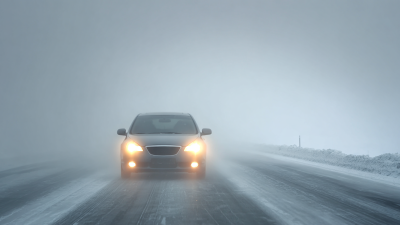
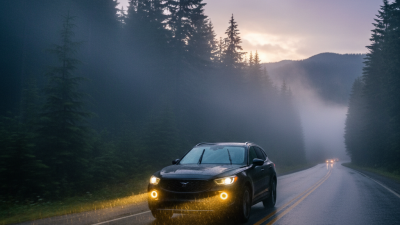
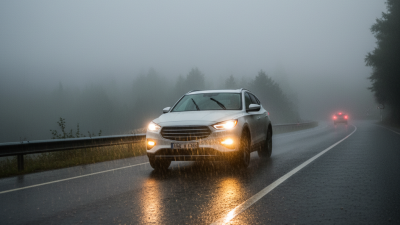
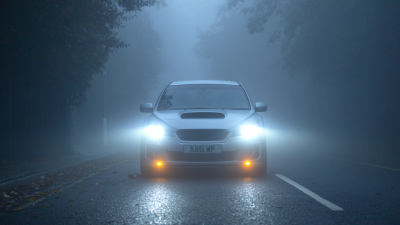
Fog lights play a crucial role in enhancing visibility during adverse weather conditions. According to the National Highway Traffic Safety Administration (NHTSA), fog causes about 30% of weather-related vehicle crashes. This highlights the need for effective lighting solutions on the road. Industry expert Dr. Lucas Harrington emphasizes, “Proper fog lights can significantly improve a driver’s vision in low-visibility conditions, reducing accident rates.”
Selecting the best fog lights is essential for safety. Many drivers overlook this vital accessory, risking their safety and that of others. Research by the Automotive Lighting Association indicates that vehicles equipped with high-quality fog lights improve visibility by up to 80% in fog, rain, or snow. Inadequate lighting can lead to poor decision-making in challenging weather.
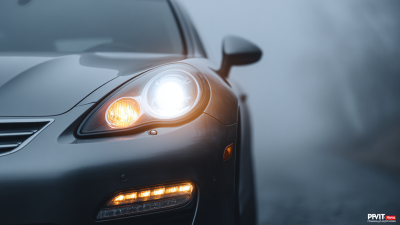
The market for fog lights is continuously evolving. New technology, such as LED fog lights, offers better performance while consuming less power. However, not all fog lights meet high standards. Drivers must choose certified products to ensure reliability. A gap often exists between available options and consumer awareness, making it vital for vehicle owners to remain informed about the best fog lights available.
Types of Fog Lights: Halogen, LED, and Xenon Options
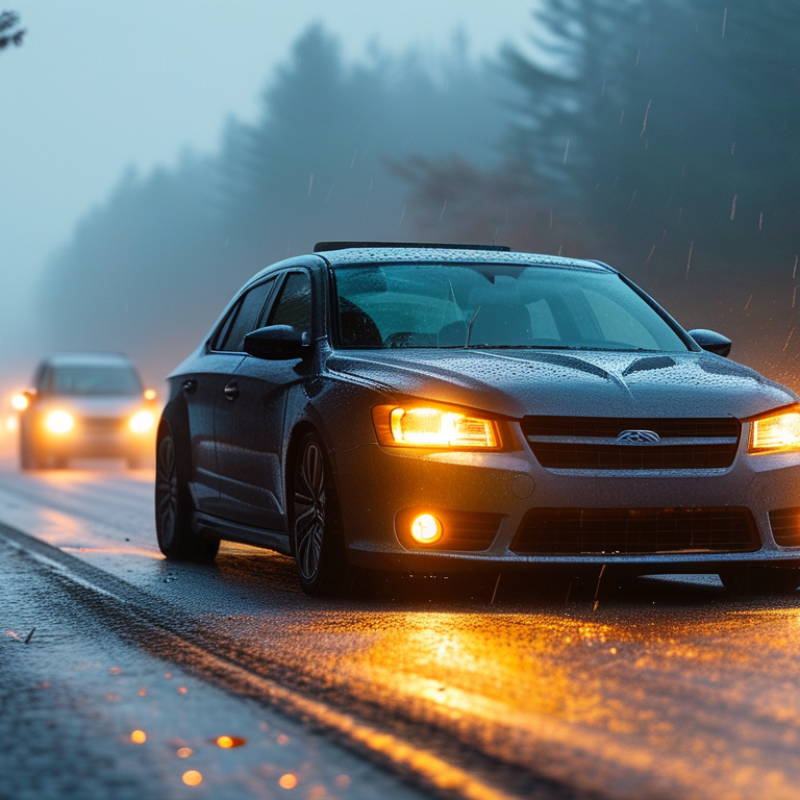
Fog lights are essential for driving in low visibility conditions. Different types of fog lights provide various benefits. Halogen fog lights are commonly used in many vehicles due to their affordable price and warm light output. They offer decent visibility but have limited longevity compared to other options. Some users find that they don’t illuminate the road as effectively in dense fog.
LED fog lights are increasingly popular. They are bright and consume less energy. These lights last longer than halogen lights, making them a smart choice for those who drive frequently in foggy conditions. However, they can be more expensive to install. Some drivers report that the light might be too piercing for certain weather conditions.
Xenon fog lights are another option. They produce a bright, white light that enhances visibility. However, they require a ballast for operation, which can complicate installation. Some users argue that their high intensity can sometimes blind oncoming drivers, leading to safety concerns. In the end, choosing the right fog light hinges on individual needs and driving habits. Every type has its pros and cons to consider.
Factors to Consider When Choosing Fog Lights for Your Vehicle
When selecting fog lights for your vehicle, there are several important factors to consider. First, the type of fog light technology is crucial. Halogen, LED, and HID options each have their benefits. Halogen lights are affordable but may not offer the brightness of LEDs. LEDs are energy-efficient and long-lasting, making them a popular choice among many drivers. However, some may find the initial cost higher.
The beam pattern is also significant. A wide, low beam disperses light evenly. This improves visibility without blinding oncoming drivers. The housing material affects durability, too. Look for lights made of high-quality materials that can withstand harsh conditions. Weather resistance is essential for longevity.
Consider the color temperature as well. A yellow hue can cut through dense fog better than white light. Yet, personal preference plays a role here. Sometimes, it's easy to overlook compatibility with your vehicle’s electrical system. Installing incompatible lights can lead to electrical issues. Always research your model to ensure a good match. Choosing fog lights is not just about brightness; it’s about making informed decisions for improved safety.
Comparison of Fog Light Features for Optimal Choice
Top Brands and Models of Fog Lights for Enhanced Visibility
Fog lights are essential for driving in low visibility conditions. They help to illuminate the road directly in front of your vehicle. This enhances safety when facing fog, rain, or snow. Many drivers overlook their importance, focusing only on standard headlights. A good set of fog lights can make a significant difference.
When choosing fog lights, consider various factors. Brightness is key. A well-designed fog light should provide a wide beam pattern. It should cut through mist and rain without blinding others. Look for lights that have durable construction. They need to withstand harsh weather. The materials used should resist corrosion and damage.
Different types of fog lights are available on the market. Some offer LED technology for better energy efficiency. Others might utilize halogen bulbs for a classic approach. Each type has its pros and cons. Researching specific models can reveal valuable insights. Comments from experts and experienced users can guide your buying choice. Learning from others' experiences will help you avoid common pitfalls. Your safety on the road depends on making informed decisions.
Installation Tips for Aftermarket Fog Lights: What You Need to Know
When considering the installation of aftermarket fog lights, proper knowledge can significantly enhance visibility.
According to recent industry data, effective fog lights can improve road visibility by up to 80% in adverse weather conditions. This level of illumination is crucial for safety during fog, rain, or snow. However, choosing the right fog lights and ensuring correct installation is vital for achieving this benefit.
Begin by ensuring compatibility with your vehicle model. Research data suggests that improper installation can result in faulty wiring and lighting failures. Familiarize yourself with basic electrical terms and tools needed for the installation. It is advisable to use a wiring harness to prevent potential electrical issues. These harnesses can simplify the process and enhance reliability.
Moreover, consider the beam pattern of the fog lights. A wide and low beam pattern is most effective in foggy conditions, directing light towards the road without creating a glare. Make sure to adjust the beam angle after installation. An incorrectly aimed beam can cause visibility issues rather than help. Remember, thorough preparation can lead to a more successful installation, improving overall safety on the road.
Legal Regulations and Safety Guidelines for Fog Light Use
In many regions, the use of fog lights is subject to specific legal regulations. These laws vary by location, but they generally aim to enhance road safety. Understanding these rules is essential for all drivers who want to use fog lights correctly. Using fog lights improperly can result in fines or safety hazards.
Fog lights are designed to illuminate the road immediately in front of a vehicle. Their low positioning helps reduce the amount of light that reflects off the fog, rain, or snow. However, it's crucial to remember that fog lights should only be used in certain weather conditions. Overusing them can blind other drivers and create dangerous situations.
Compliance is key. Some areas require drivers to turn off fog lights when not needed. Familiarizing yourself with local laws can promote safe driving habits. It's worth noting that ignorance of these regulations is not an excuse. Always prioritize safety and visibility, while ensuring you are following the rules. The right approach to fog light use can make a significant difference in driving safety.
Best Fog Lights for Enhanced Visibility and Safety
| Fog Light Type |
Lumen Output |
Bulb Type |
Legal Regulations |
Safety Guidelines |
| Halogen Fog Lights |
1,200 - 2,000 lumens |
H3 / H11 |
Must be installed as regulated by local laws |
Use in fog, rain, or snow; do not use in clear conditions |
| LED Fog Lights |
2,000 - 3,500 lumens |
H11 / 9006 |
Verify compatibility with local vehicle codes |
Great visibility, but can blind other drivers if misaligned |
| Xenon Fog Lights |
3,000 - 4,000 lumens |
D2S / D2R |
Check vehicle specifications and restrictions |
Best used in very foggy conditions; avoid glare |
| Daytime Running Lights (DRL) with Fog Feature |
1,000 - 2,500 lumens |
LED |
Comply with daytime running light regulations |
Ensure they do not distract or blind other road users |