How to Choose the Best Off Road Lights for Your Vehicle?
Navigating rough terrains requires reliable and effective Off Road Lights. Expert Mark Thompson, a leading figure in off-road vehicle accessories, emphasizes, “The right lighting can transform your adventure.” This highlights the vital role of Off Road Lights in ensuring safety and visibility.
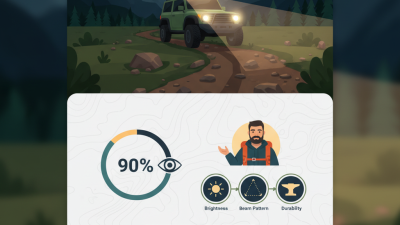
When choosing Off Road Lights, various options available can be overwhelming. Factors such as brightness, beam pattern, and durability must be considered. There are many choices, from LED strips to spotlights. Each type has its strengths and weaknesses. It’s crucial to find the perfect fit for your needs.
Selecting Off Road Lights is not just about brightness. Understanding the terrain and your vehicle's specific demands is essential. Not every light works perfectly in every situation. Consider your driving style, vehicle type, and even your budget. Reflecting on these details can aid in making a more informed decision.
Factors to Consider When Choosing Off-Road Lights
When selecting off-road lights for your vehicle, there are several critical factors to consider. Understand the type of terrain you will encounter. Different terrains require different lighting capabilities. For rocky landscapes, a focused beam can enhance visibility. Conversely, open areas benefit from flood beams. Choosing the right beam pattern helps in navigating challenging paths effectively.
Another essential consideration is brightness, measured in lumens. Higher lumens provide better illumination, allowing you to see obstacles clearly. However, too much brightness can strain your eyes. Striking a balance is vital.
Furthermore, evaluate the durability of the lights. Off-road lighting can face harsh conditions. Waterproof and shockproof options are preferable. Materials like aluminum or durable plastics offer longevity. Each factor matters significantly as you prepare for your next adventure.
Types of Off-Road Lights: A Comparison Guide
Choosing the right off-road lights for your vehicle can be daunting. With various types available, it's essential to understand their features. LED lights are popular for their energy efficiency and brightness. Halogen options provide warmth but consume more power. Consider where you’ll be using them most—mud, rocks, or sand? This decision impacts which type suits your needs best.
When comparing light types, think about beam patterns. Spot beams focus light in a tight area, great for long-distance visibility. Flood beams illuminate a broader area, ideal for close-range navigation. Some lights even offer a combination. Test with both styles to see what works best in your typical terrains.
Tips: Always check the lumens rating for brightness. More lumens mean better visibility. Installation time can vary, so plan accordingly. If you're unsure, consult with an expert or local enthusiast. Reflect on your experiences; what worked before? Adjust your choices based on past trials to avoid pitfalls.
Off-Road Lights Comparison
Brightness and Beam Patterns Explained for Off-Road Lights
Choosing the right off-road lights is crucial for safety and visibility.
Brightness is key. Measured in lumens,
higher numbers mean more light. However, too much brightness can create glare.
This can impair visibility, especially during night driving. A balance is necessary.
Beam patterns also play an important role. Spot beams provide focused light over long distances.
They are ideal for trails. Flood beams illuminate a wider area, perfect for camping. Some lights offer combination beams,
which cover both needs. It’s essential to understand where and how you will use these lights.
Consider the positioning of your lights, too. Mounting them too low might prevent adequate forward lighting.
Improper angles can lead to blind spots.
Take time to adjust and test them. Only by reflecting on these aspects can you find the right fit for your vehicle.
Mounting Options for Off-Road Lights: Pros and Cons
When selecting off-road lights, mounting options play a crucial role. Various methods exist, each with unique benefits and drawbacks. The most common options are roof mounts, bumper mounts, and light bars.
Roof mounts elevate lights above your vehicle, providing a wider beam spread. However, they can cause wind noise and height limitations in some areas.
Bumper mounts offer direct illumination of the road ahead, but they may restrict your vehicle's approach angle.
Light bars are another popular choice. They can be mounted on roofs or bumpers. These versatile lights provide a long-range and broad visual field. However, they may require extra wiring and installation effort. The aesthetics of your vehicle can also be affected. A poorly executed installation might damage paint or interfere with regular use.
Personal preference influences which option is best. Some prefer the clean look of roof-mounted lights, while others favor functionality. It's important to consider how each mounting method will impact your driving experience. Researching proper installation techniques is crucial. This ensures your lights won't easily misalign. Inconsistent mounting can lead to safety hazards on rugged terrains.
Legal Regulations for Installing Off-Road Lights on Vehicles
When considering off-road lights for your vehicle, legal regulations must be a priority. Various regions have specific laws regarding brightness and installation height. Some locations restrict light colors, typically banning blue lights, to avoid confusion with emergency vehicles. Familiarizing yourself with local laws prevents costly fines and ensures safe usage.
Installation of off-road lighting also has guidelines. Mounting too high can blind oncoming drivers, creating hazards. Additionally, using lights designed for roads, like fog lights, may not comply with off-road regulations. It's crucial to check if your lights can be easily removed or covered when not in off-road situations. This flexibility can aid in remaining compliant.
Considering the impact of your lights on other drivers is essential. Poorly positioned lights can create glare, leading to accidents. Reflecting on your installation choices ensures your enthusiasm for off-roading does not compromise safety. Balancing performance and compliance will enhance your off-road experience while maintaining respect for others on the road.
How to Choose the Best Off Road Lights for Your Vehicle? - Legal Regulations for Installing Off-Road Lights on Vehicles
| Light Type |
Lumens |
Beam Pattern |
Legal Regulations (e.g., color, height) |
Common Uses |
| LED Light Bar |
10,000 - 30,000 |
Flood/Spot |
White light, under 54 inches in height for on-road use |
General off-roading, night driving |
| Halogen Fog Lights |
1,200 - 2,000 |
Fog Beam |
Yellow light preferred in some areas, must not be higher than headlights |
Foggy conditions, trail navigation |
| Xenon HID Lights |
3,000 - 6,000 |
Spot |
Must comply with local brightness regulations |
Long-distance vision, higher speed driving |
| Work Lights |
2,500 - 8,000 |
Flood |
Usually unrestricted; check local laws for use |
Construction sites, repairs |
| Auxiliary Off-Road Lights |
2,500 - 5,000 |
Spot/Flood |
Must not blind other drivers, specific color restrictions |
Trail riding, off-road adventures |